
Plan a Unit With Me
Creating A Great Depression Unit

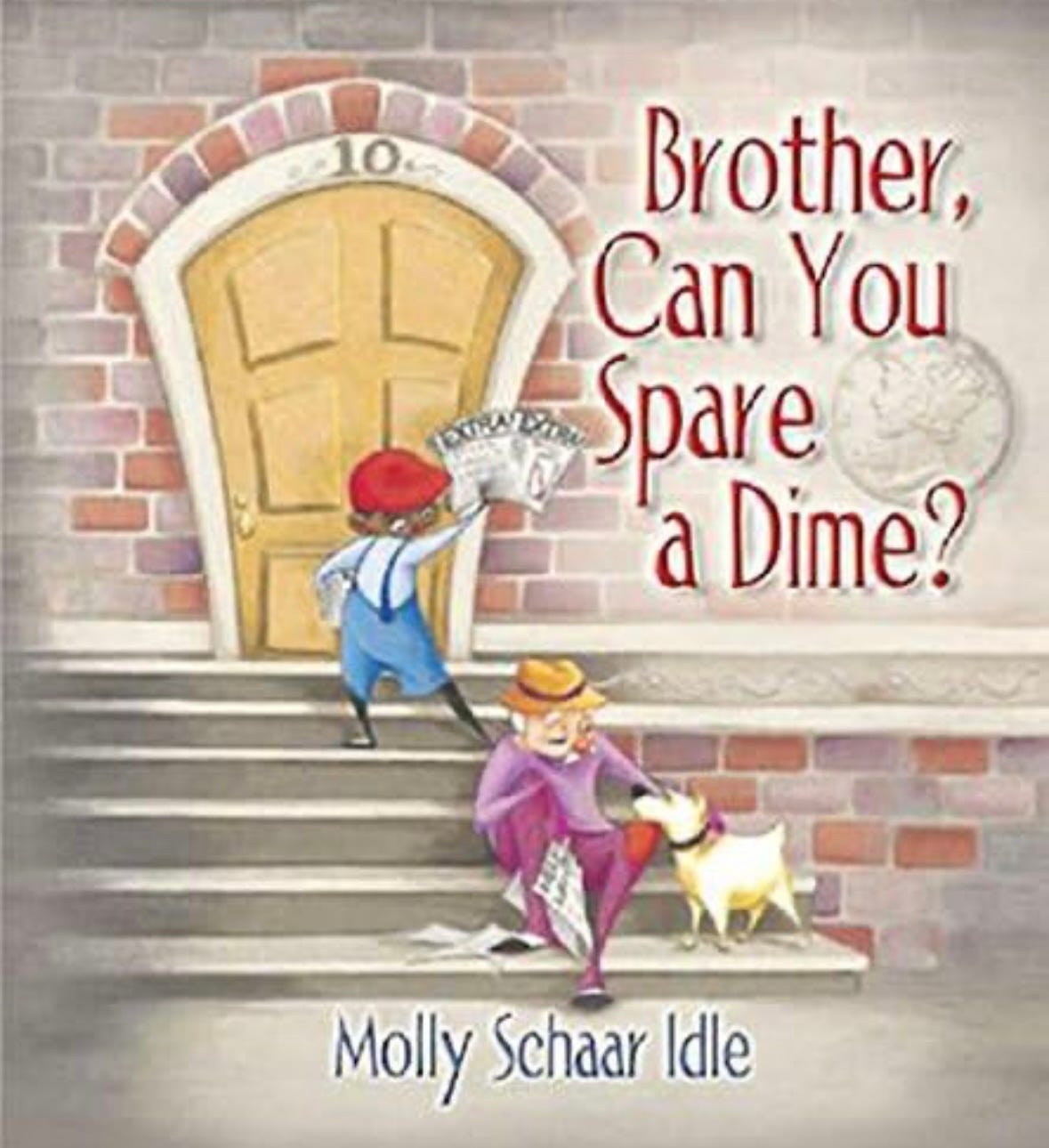
I recently asked for book suggestions so I could take you through the process of how I plan a unit. I chose the picture book, Brother, Can You Spare a Dime by Molly Schaar Idle because it would be a entry into a Great Depression unit which we’ve never done. Let’s get started…
I always start with a blank page in my homeschool notebook and books. I’ll look up a book that I’m already familiar with (Amazon or a google search) and then go down a rabbit trail and let Amazon help me: What books do they suggest? What are similar books?
Read Aloud Books
I might make a list of read aloud books in my notebook, but usually I have a front runner that I’ve wanted to read for a while. A few ideas for this unit include (but are not limited to) Bud Not Buddy by Christopher Paul Curtis or Come On Seabiscuit! by Ralph Moody (or for older students, Seabiscuit by Laura Hillenbrand.) I also always choose books based on my kids, their sensitivities, personalities, strengths, and challenges. This is why we homeschool! If we finish the first book and want to keep going then I’ll choose another one. I almost never preread our read aloud books so if I want a heads up of things to look for, I’ll google the “title of the book + literature guide.” Usually, even if these guides cost money, I can get a gist of themes or literary elements to watch out for as we read. I’ve also used Brave Writer Literature Singles for years which trained me to think about and recognize literary elements, themes, and how to use copywork for mechanics. We are always discussing our current read aloud!
Picture Books
Picture books are my bread and butter. I let picture books do the teaching for me and I follow up with questions for discussion and connections. I often start with what I know I have on my own bookshelf and end up looking for ideas on Amazon and other booklists online. One thing always leads to another. Normally, I do this kind of browsing when I’m ready to add them to my library holds list. I almost never make a physical picture book list. Nor do I use every book that looks good as I run into an availability problem at some point. So I go with what I can get my hands on and what will work for us. Then I leave the rest.
The search for books goes a bit like this (beware of stream of consciousness…)
I search “The Great Depression” under children’s books on Amazon. I bypass the first few options (because they aren’t “picture book-y”) and add Potato: A Tale From the Great Depression by Kate Lied so I click on it and it leads me to…
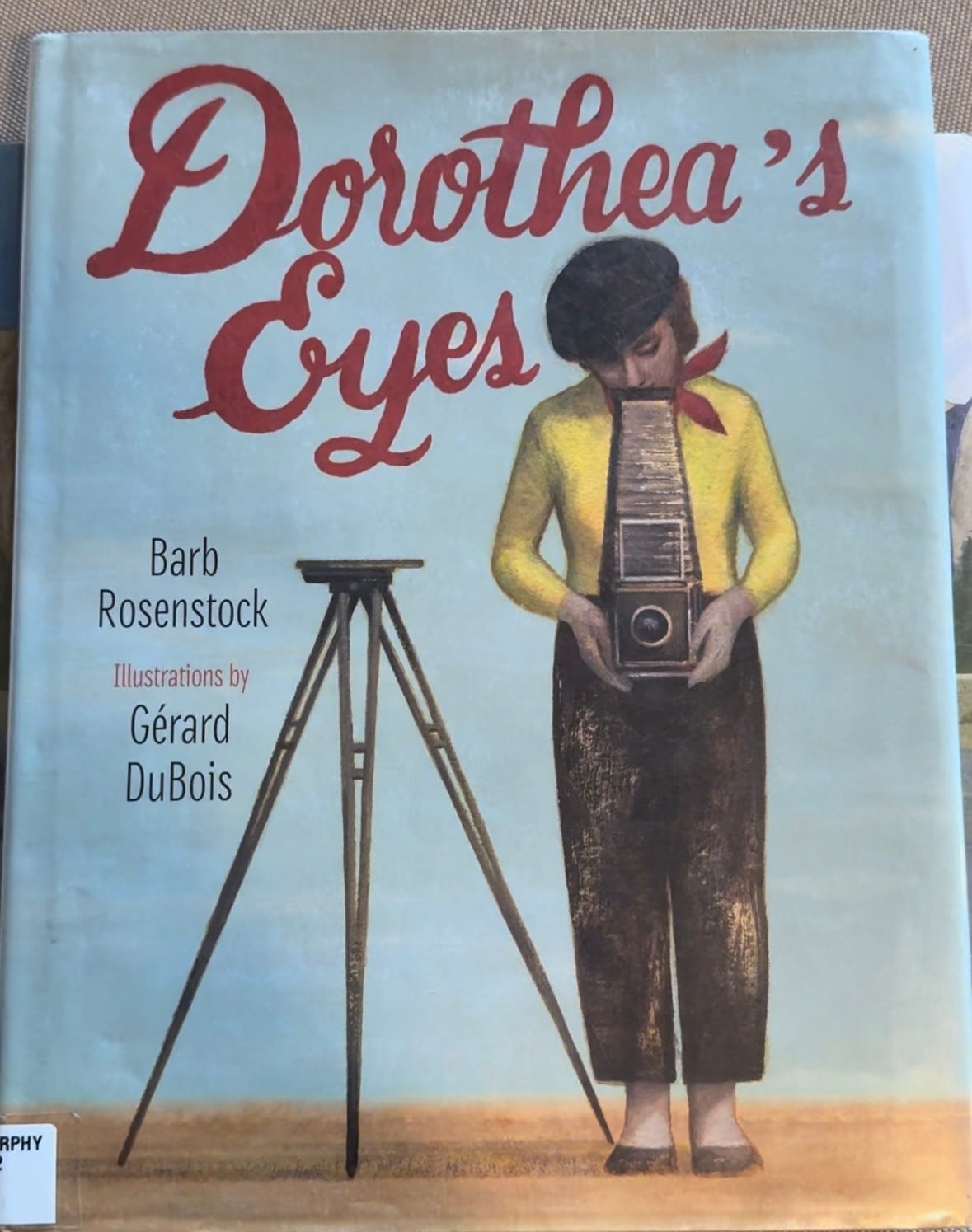
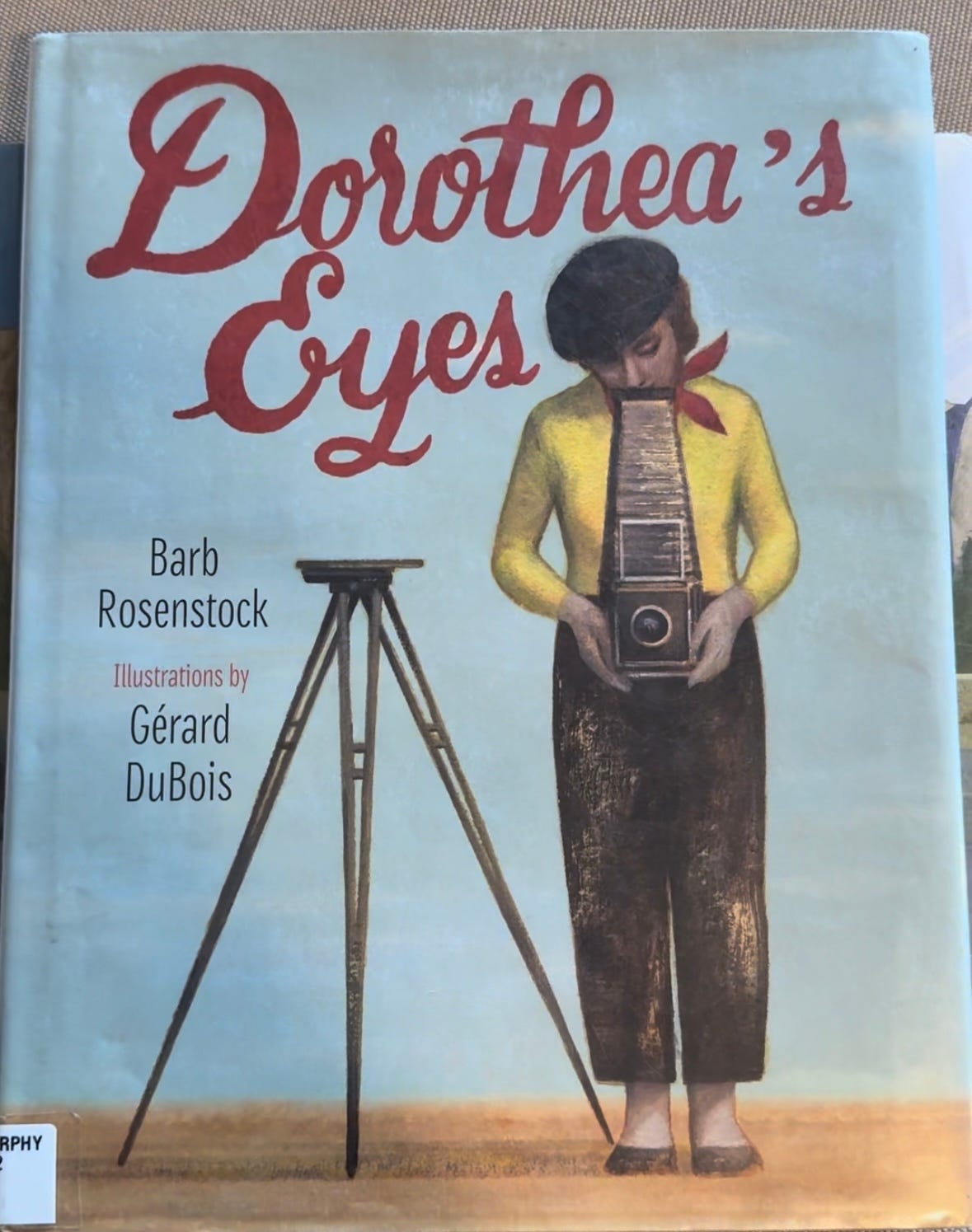
Ruby's Hope: A Story of How the Famous Migrant Mother Photograph Became the Face of the Great Depression by Monica Kulling. The word “photograph” immediately brings to mind the photographer famous for her Depression era work, Dorothea Lange, so I search for picture book biographies of her and find Dorothea Lange: The Photographer Who Found the Faces of the Depression by Carole Boston Weatherford. Immediately I jot down, “possible photography” in my notebook before going back to the books.
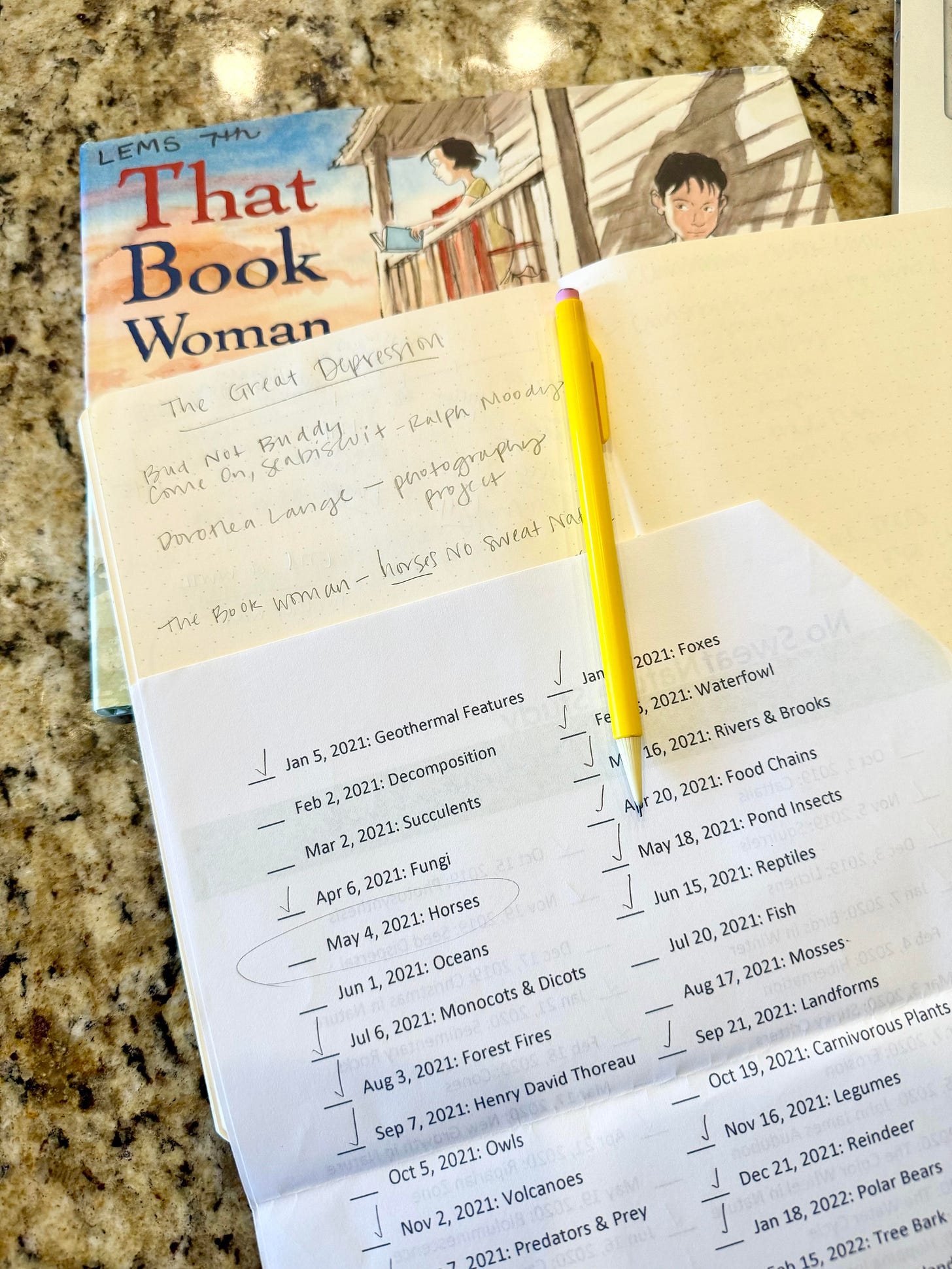
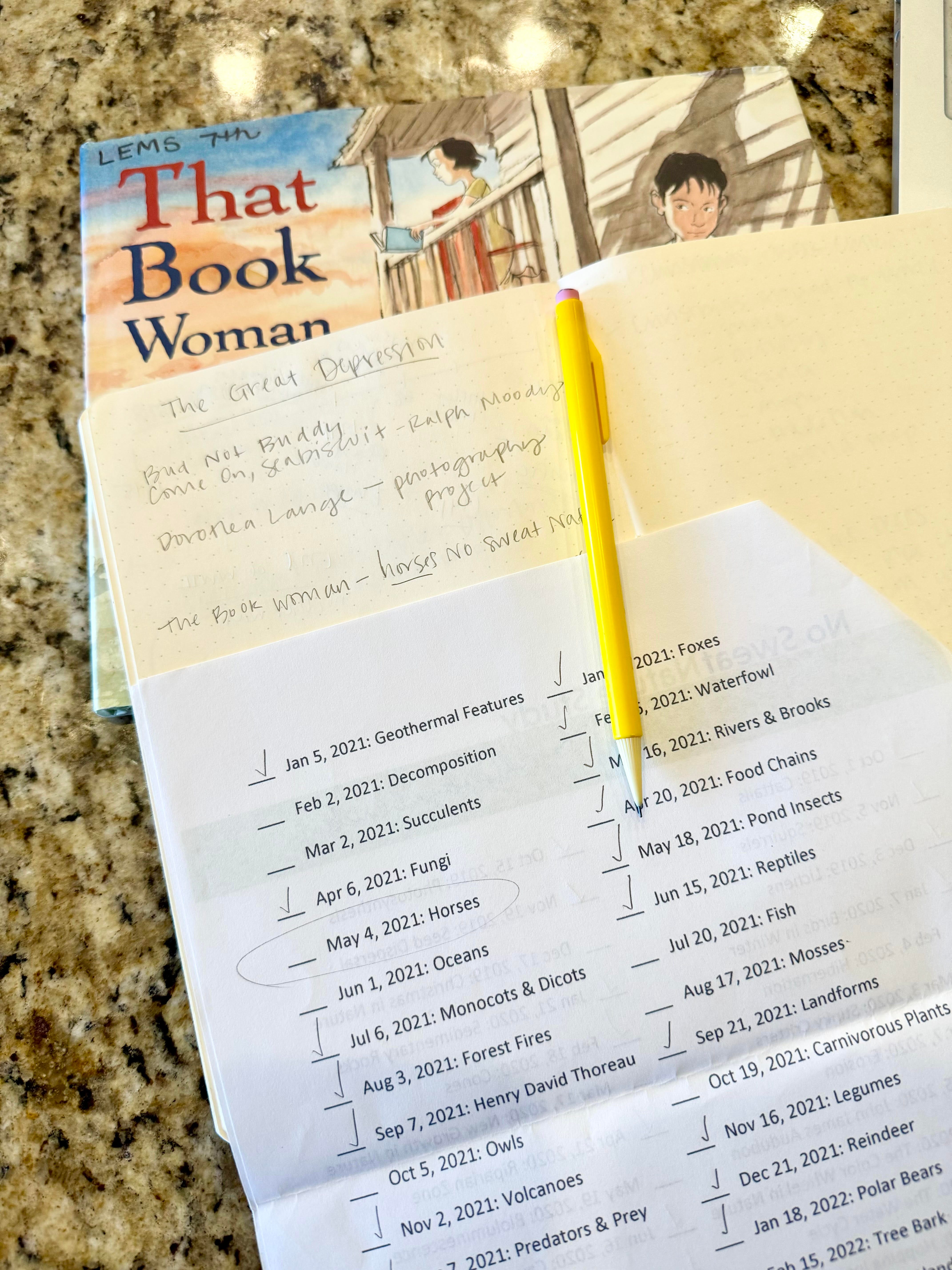
Next up, I already own That Book Woman by Heather Henson which makes me think of at least one horses lesson with No Sweat Nature Lessons, our nature membership, that we could do. Even though I create my own units, I outsource subjects I’m not as comfortable with and nature is one of those. and The Gardener by Sarah Stewart both of which tell interesting stories about the time. I search for them on Amazon and see what other books they lead me to, checking my library system to see what is available and I start putting holds on the books.
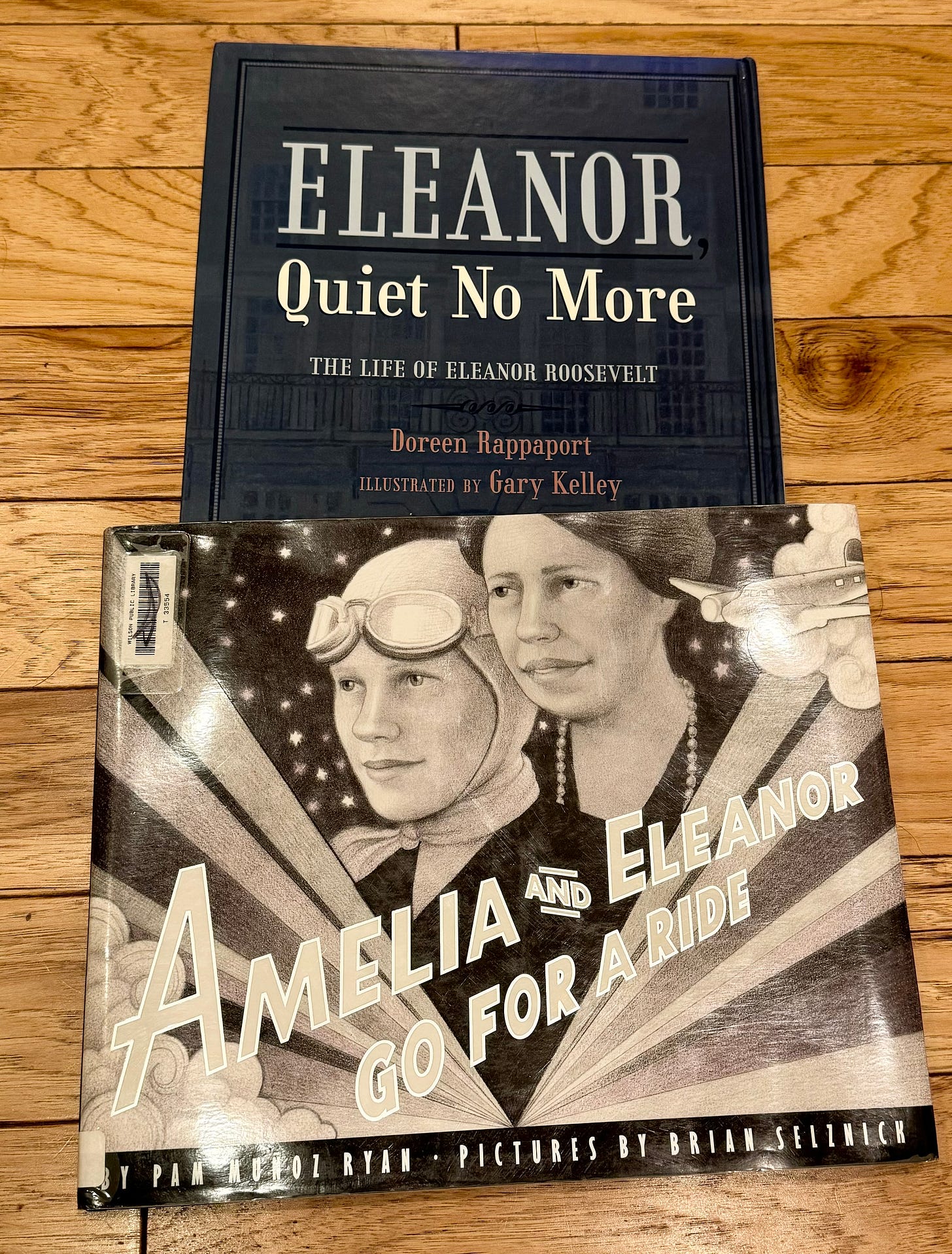
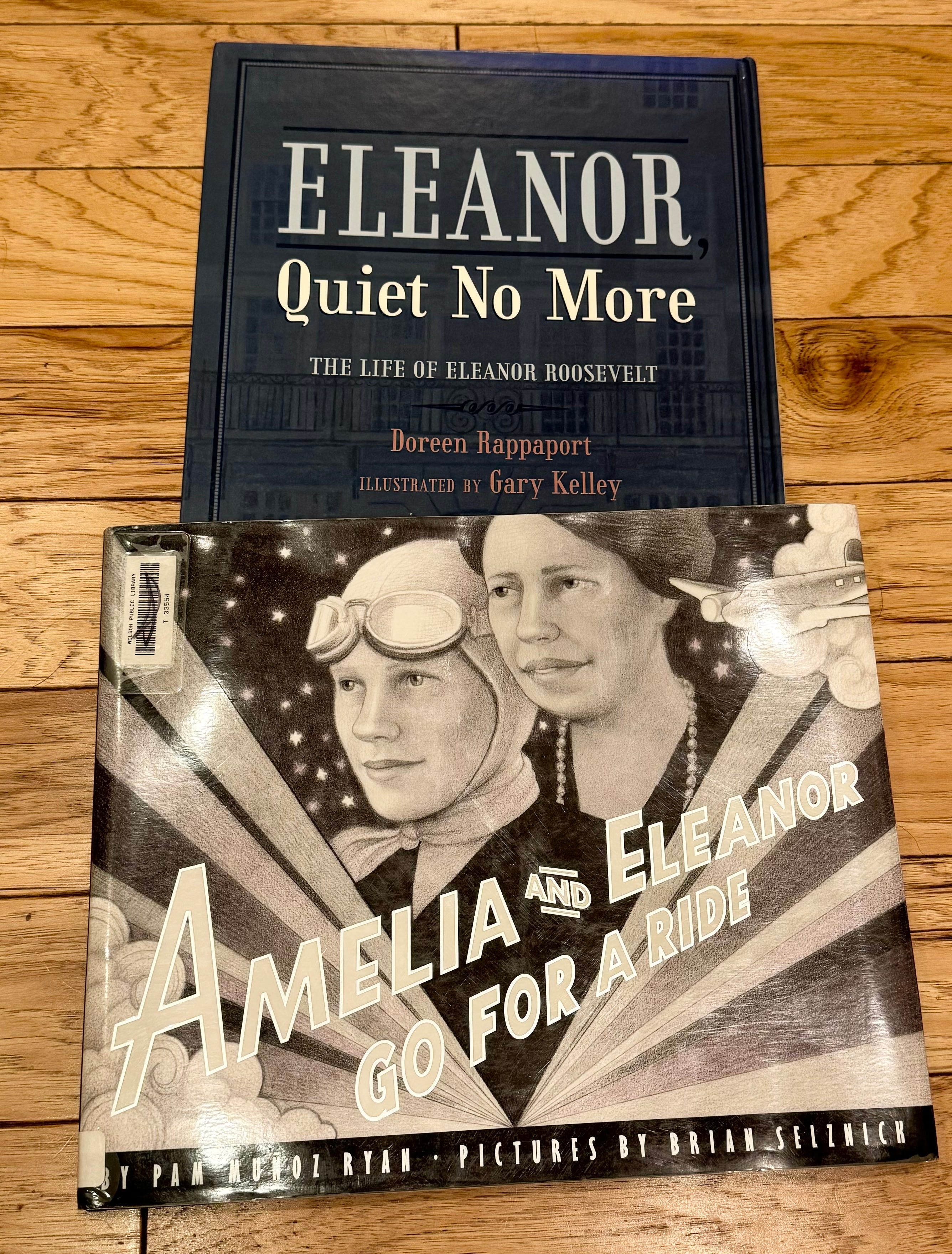
Back to my shelves. I have a few books about Eleanor Roosevelt, the First Lady at the time, so I’d grab Eleanor by Barbara Cooney, Amelia and Eleanor Go For A Ride by Pam Muñoz Ryan, and Eleanor, Quiet No More: The Life of Eleanor Roosevelt by Doreen Rappaport. I do a quick search on Amazon using one of these and find a few more about her which then leads me to…
A Boy Named FDR: How Franklin D Roosevelt Grew Up To Change America by Kathleen Krull. Definitely am going to include the president in this study and I follow the trail a bit more adding other books to my library holds.
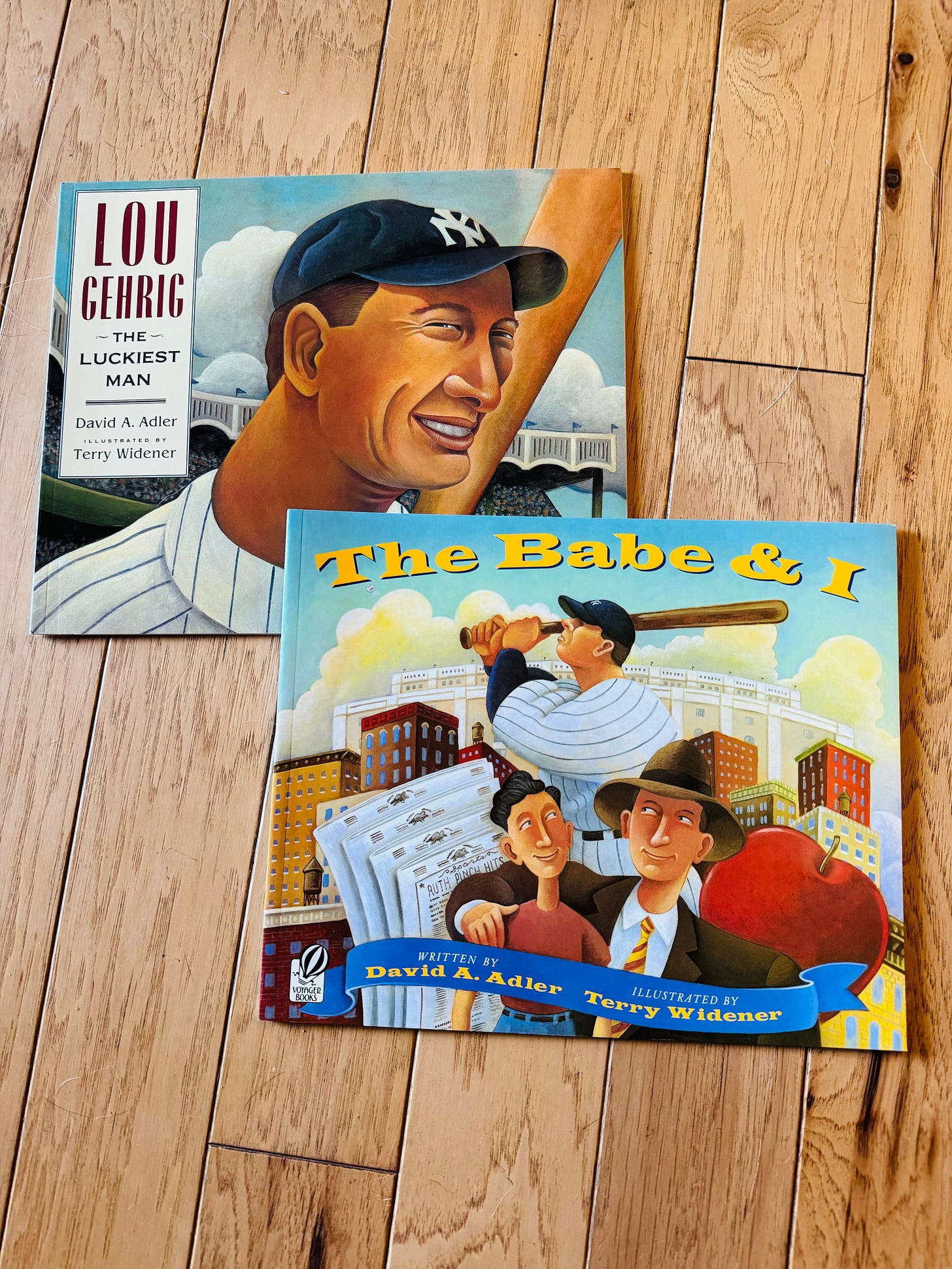
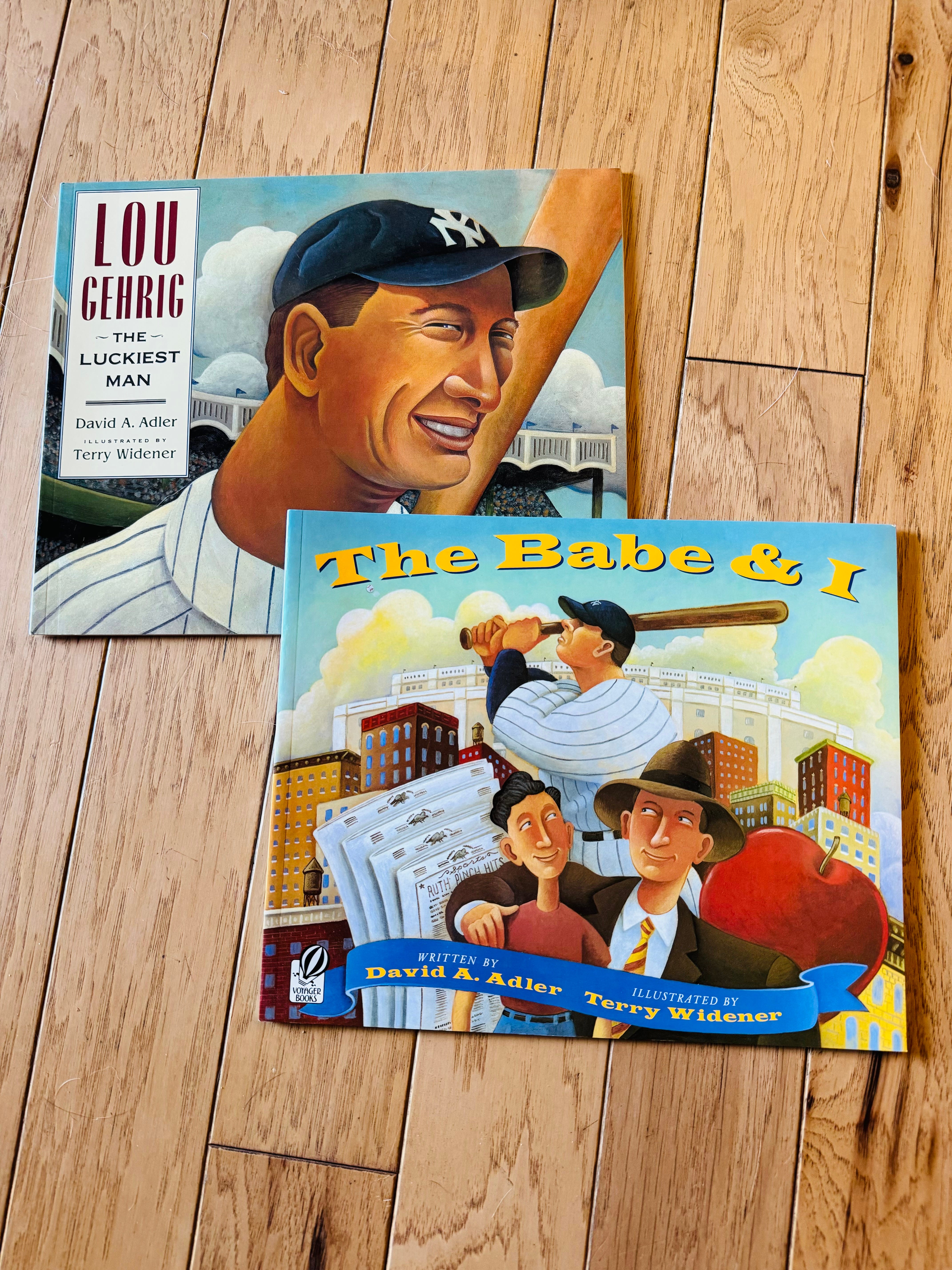
When the trail dries up, I remember the movie Seabiscuit which takes place during the Great Depression and I’m sure there are picture books about it so I do another search and add those books. And along the lines of sports, I’ll pull The Babe and I and Lou Gehrig: The Luckiest Man by David Adler off myself shelf. Both are great books with a different angle — I know The Babe and I includes some money math which makes me think of the game Money Bags so I add that to my notebook.
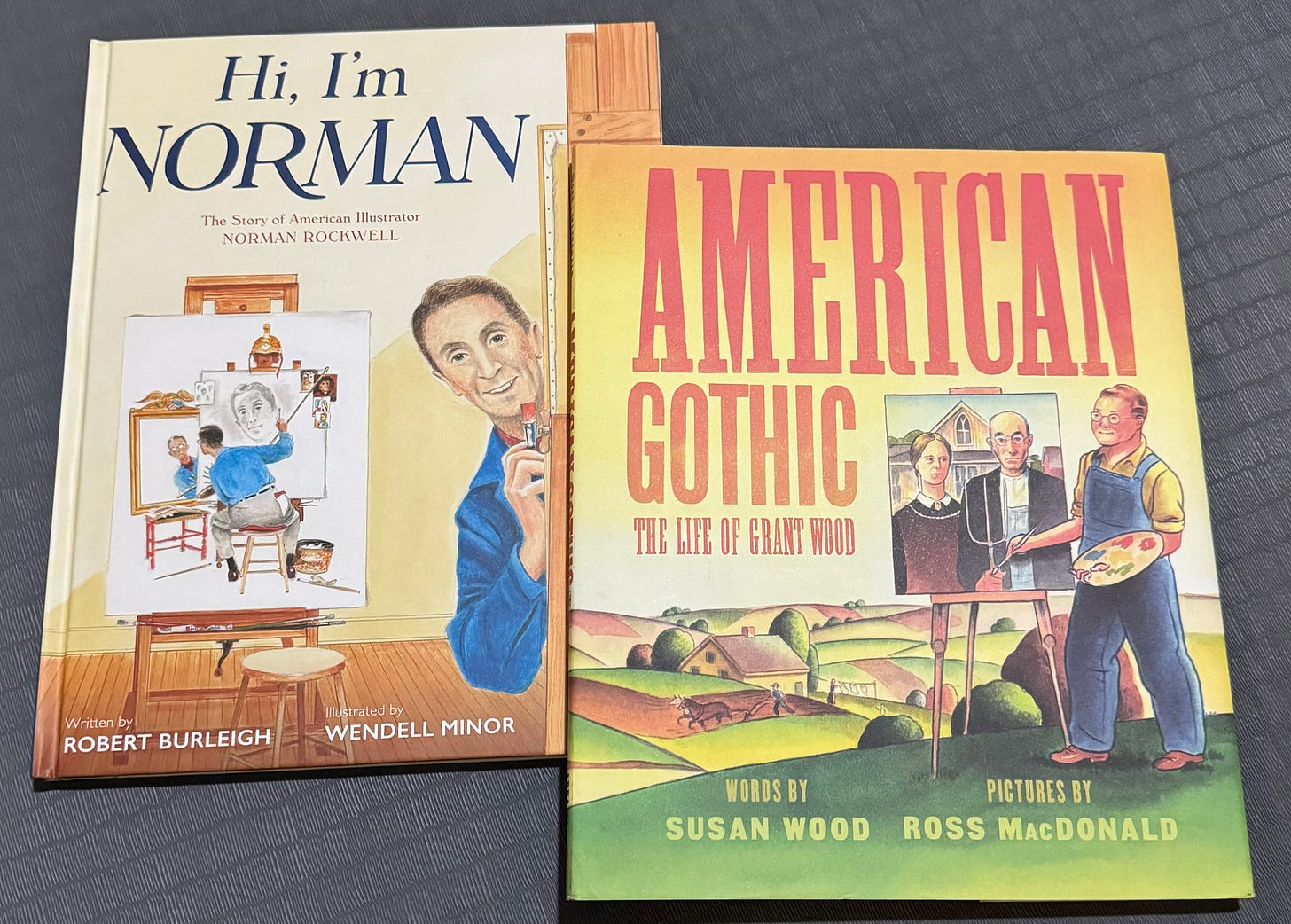
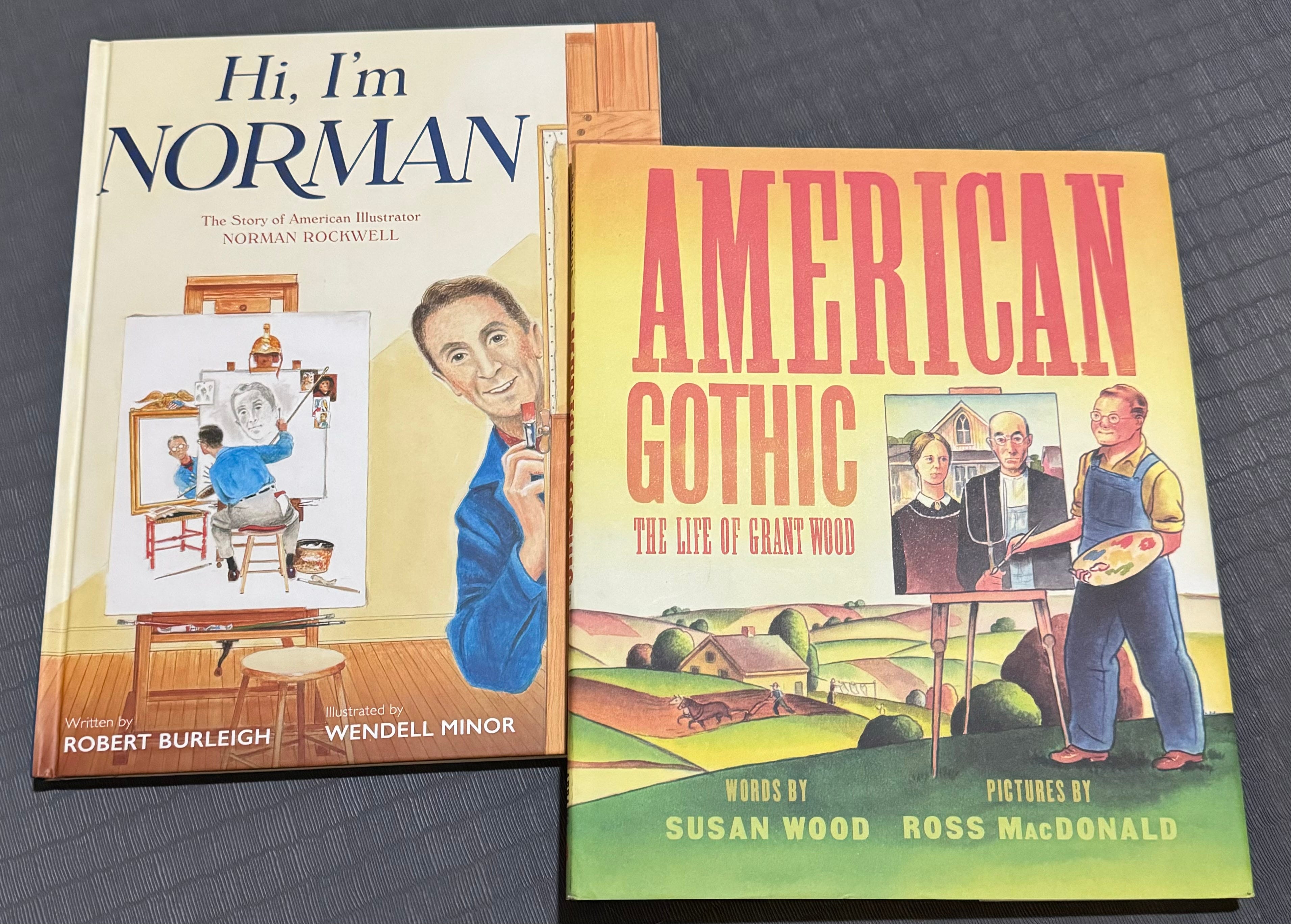
I’m always on the hunt for ways to connect art to the unit so I grab Hi, I'm Norman: The Story of American Illustrator Norman Rockwell by Robert Burleigh off the shelf. He was most prolific during the 30s and 40s so he’s a great artist to add in, especially as, like Dorothea Lange, he really focused on scenes from the average American’s life. I’ll also look at artist, Grant Wood and his famous painting, American Gothic from 1930.
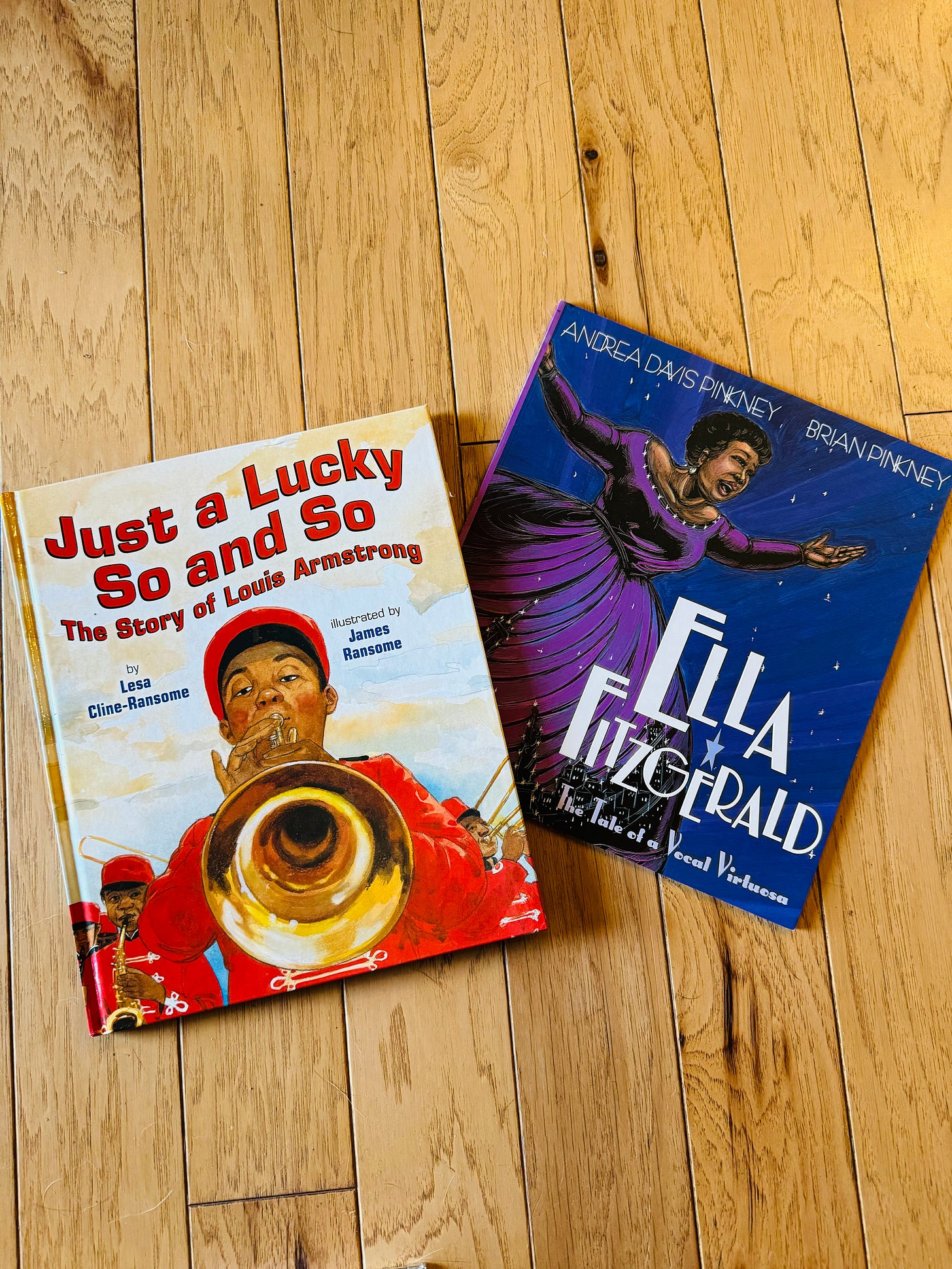
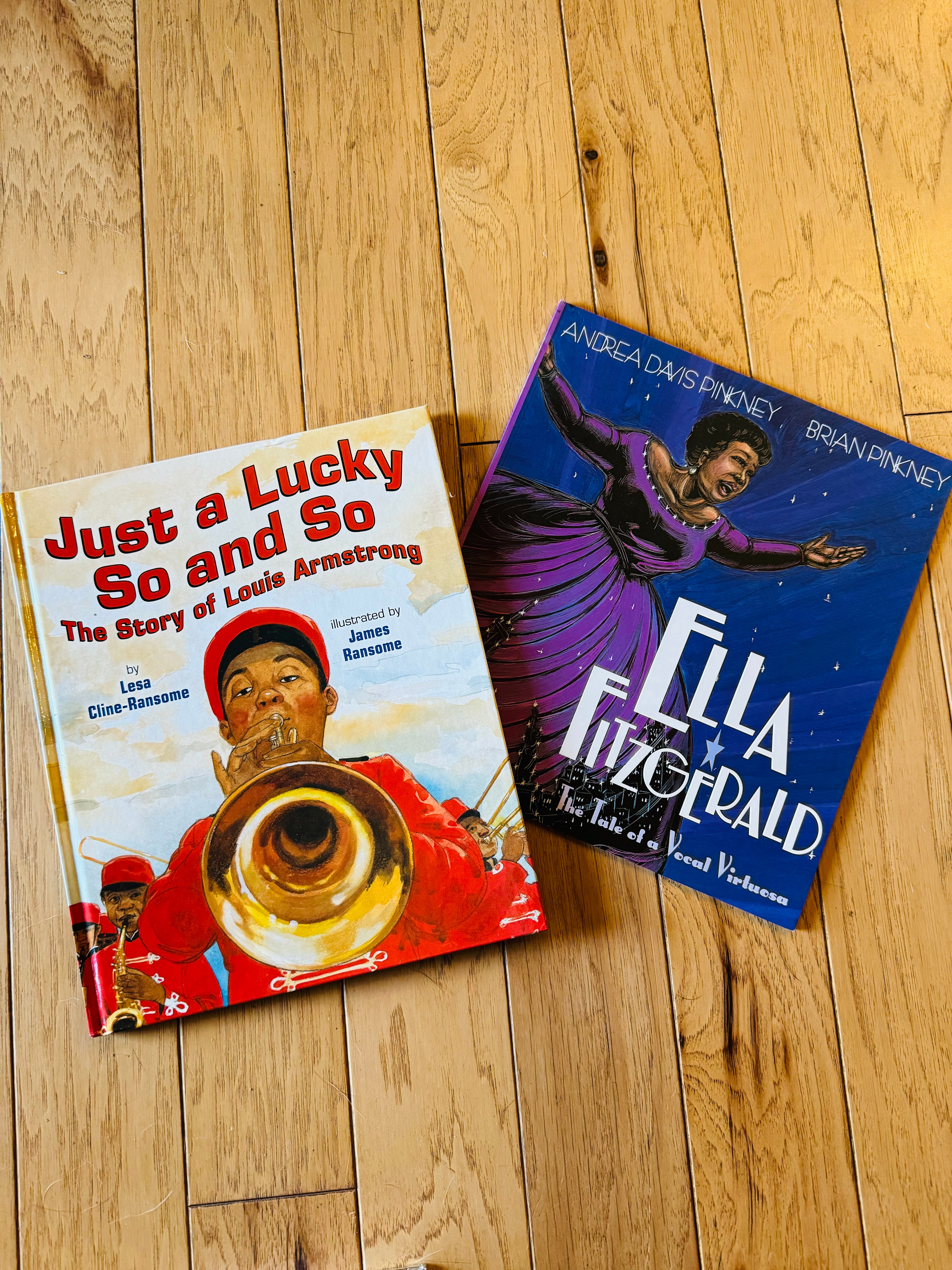
Art tends to lead me to music so listening options begin to pop into my head. First, I’d listen to the song, “Brother, Can You Spare A Dime?” and learn about the story behind the song. From there I’d want to hear some other popular songs of the 1930s. I know jazz was popular in the 30s so after a quick google search of key figures I’m back searching on Amazon for picture books about jazz musicians and making a mental playlist of music to listen to during this time. I’m also curious, what else was happening musically during the 1930s? A quick google search reveals Aaron Copeland & George & Ira Gershwin as possible options. I jot down all of the musical options and check SQUILT LIVE to see what lessons are in the archive that I could watch (another subject I outsource.)
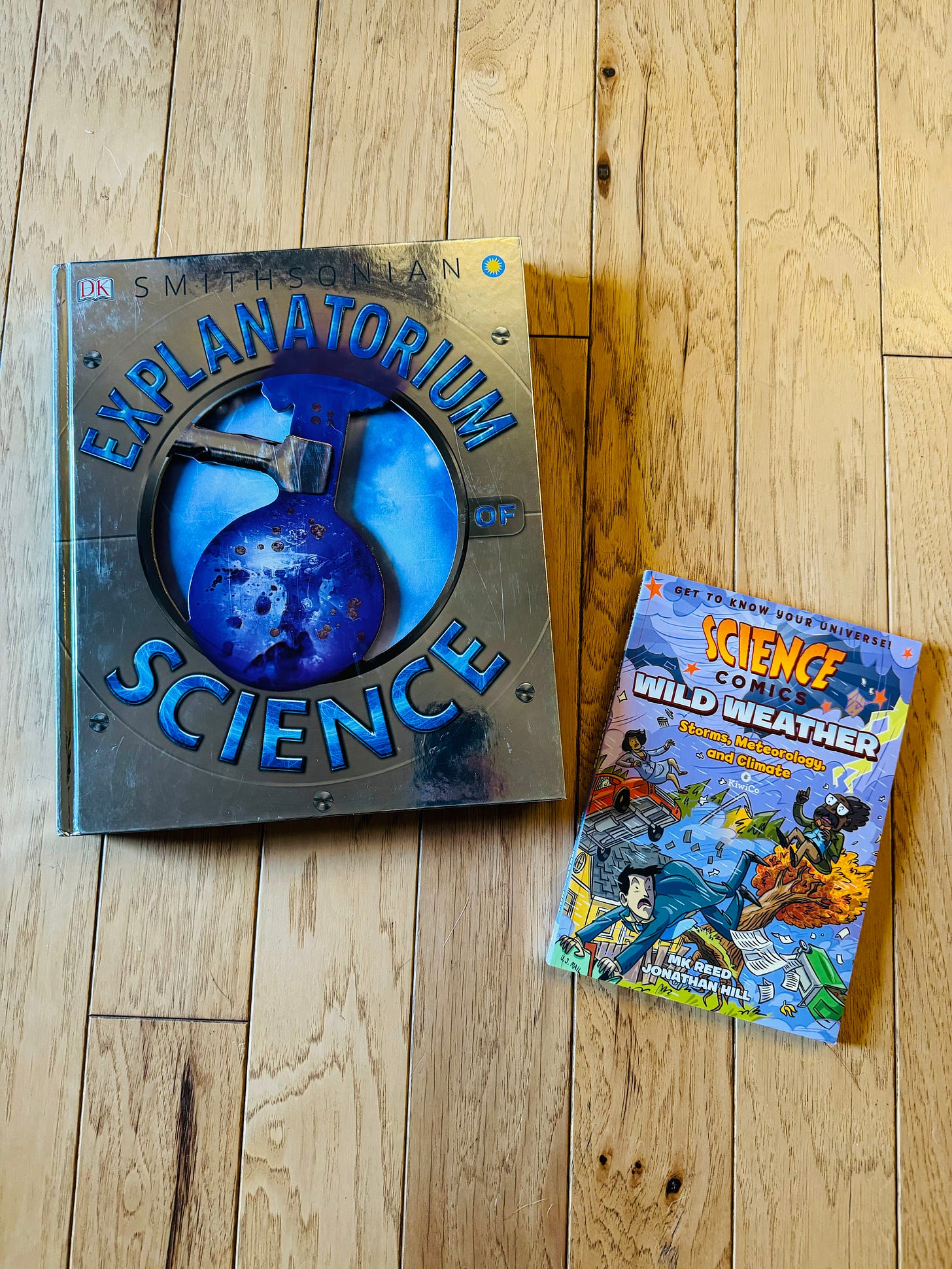
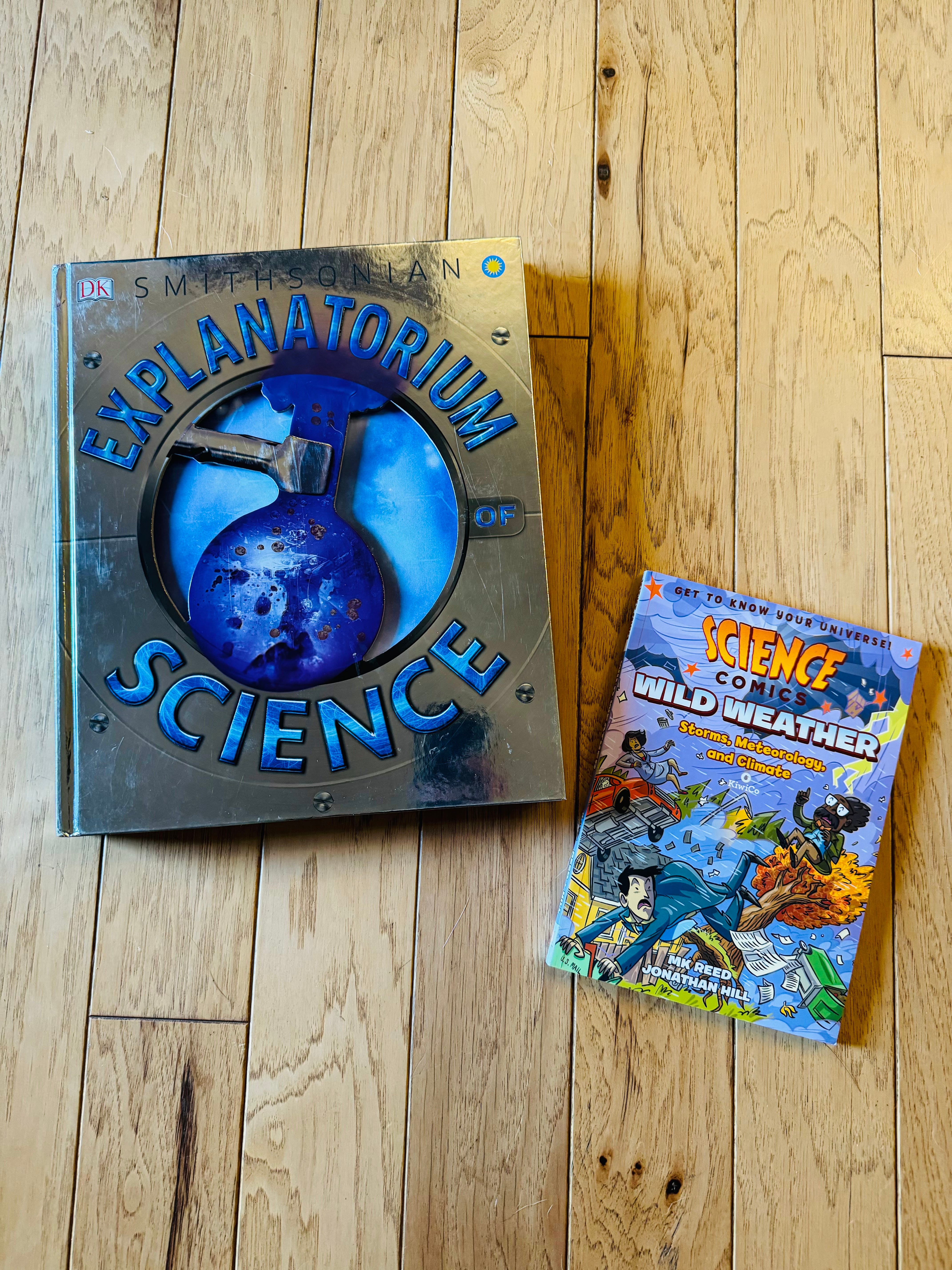
Finally, I think about how to include science. I do a bit of research on the “dust bowl science” and look for picture books and DK encyclopedias along with Science Comics and anything else I could that might relate: weather and earth science experiments. Books like The Great Depression for Kids: Hardship and Hope in 1930's America with 21 Activities and Explanatorium of Science often have activities or experiements along with explanations that are really easy to implement and understand. I’d also look to see which No Sweat Nature Lessons relate that I could include. And lastly, Science Comics: Wild Weather is great for strewing along with other graphic novels because my kids will pick them up and read them in the margins. So I’ll do a quick search for other graphic novels to strew.
At this point, I’d do a quick assessment of the subjects we’re covering: history, geography and culture, music, art, sports, earth science/nature, politics, a bit of math/economics…what am I missing?

Film
The 1930s is the golden era of film with advent of sound and silent film wrapping up. Film studies is not just an overlooked field of study but it’s fun and for this unit I think it’s a must!
While primarily a silent comedian, I’d absolutely include Charlie Chaplin as he made a couple of his masterpieces during the early 30s. Smile: How Young Charlie Chaplin Taught the World to Laugh by Gary Golio would be a fun picture book to read before watching Charlie Chaplin films! I promise, kids loves The Tramp character! Screwball comedies, gangster films, and musicals were immensely popular during the 1930s and I’d ask my kids to consider why as we watched different examples of each.
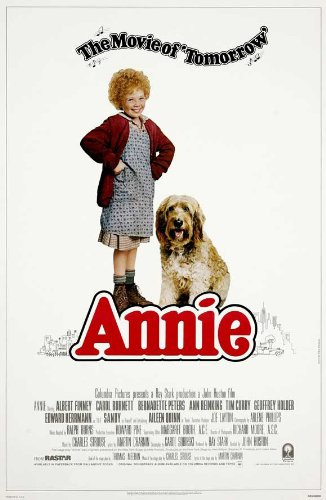
At this point my mind is flooding with movie ideas. Annie would be a fun choice for a movie that depicts Depression life of the lowest and poorest all the way up to a billionaire. And you could listen and compare to the original broadway musical and the other movie and TV versions. I love including musicals because it’s music, culture, history, dance, LA (when you listen and really consider the lyrics) all wrapped into one! But there are quite a few other non-musical films to watch about that time period as well!
I might brainstorm and jot down a few project or activities:
Create a photography project option based on Dorothea Lange and her desire to see people and catch their experience in specific moments
Research project on natural disasters using the dust bowl as a jumping off point
Write a diary from the perspective of someone living through the Depression
Biography project based on someone famous or someone who grew up during the Depression to become influential
Dive deeper into baseball stats and the math behind it
Do a study of Norman Rockwell and copy a work of his or paint a new piece inspired by him
Write, produce, direct, and act out a silent film while incorporating elements from the unit.
Notebooking pages - I’m no expert on note booking, but for me, it’s just a chance to let them jot down whatever we want on the subject. It’s little pressure and feels good to “see” something on paper. Trace maps into notebooks & label them, do copywork and note vowel teams or metaphors, sketch cartoons of leaders from the unit and label them.
But I honestly don’t worry too much about trying to come up with projects for the unit beforehand. I prefer to seize the moment of inspiration when we’re in the middle of the unit. But that’s me. I haven’t included anything from the kitchen, but I’d keep my eyes peeled for references made in books etc. to include in a feast or tea time or movie night.
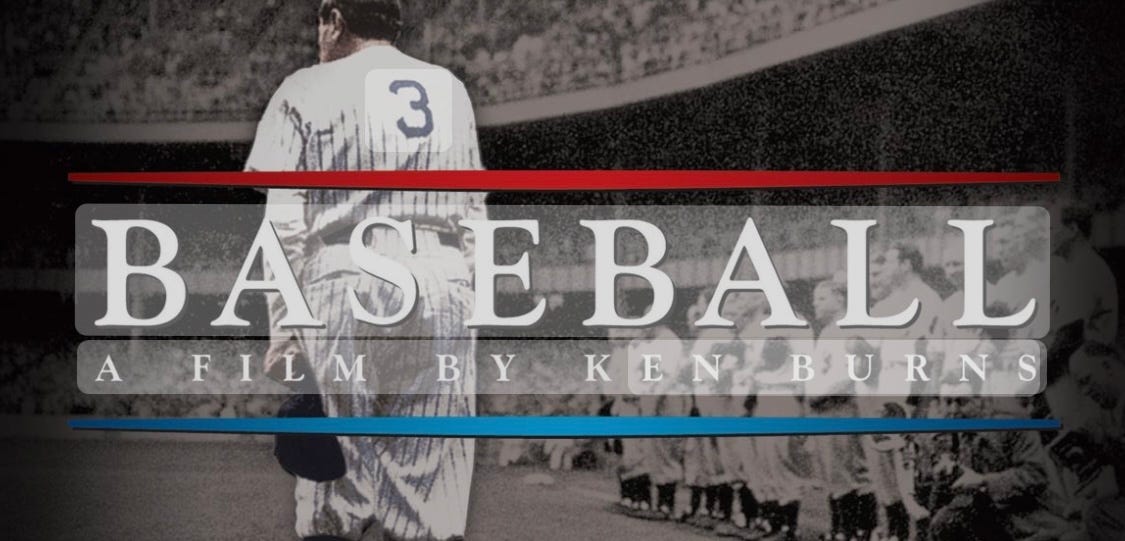
I’d also look up some YouTube videos or documentaries to show the kids relating to any of the topics or books. I might jot down the specific documentaries, videos, or channels that are most interesting so I don’t forget about them. For instance, I know Ken Burns has a documentary about baseball (it is wonderful) so perhaps I’d try to watch the episode about baseball in the 1930s—or even more if there’s interest. Burns also has a documentary about Jazz, too.
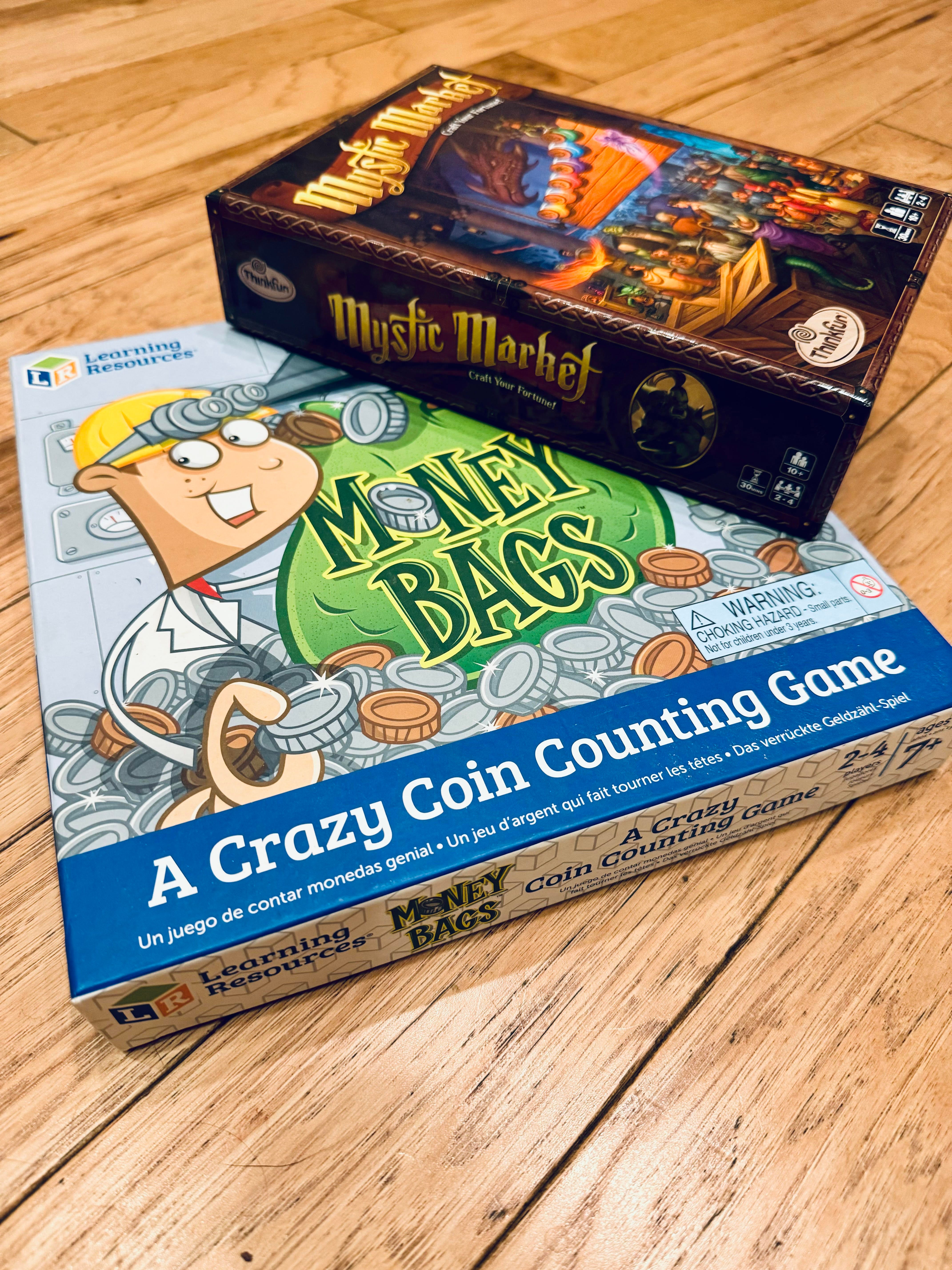
Oh! One last thing—see, stream of consciousness!—we love adding games to our units! Mystic Market introduces the concept of buying and trading stocks until the bubble bursts and is really fun. And Pit is a fast-paced (frenetic and loud!) stock market game for a crowd. Both would be fun additions to a Great Depression unit.
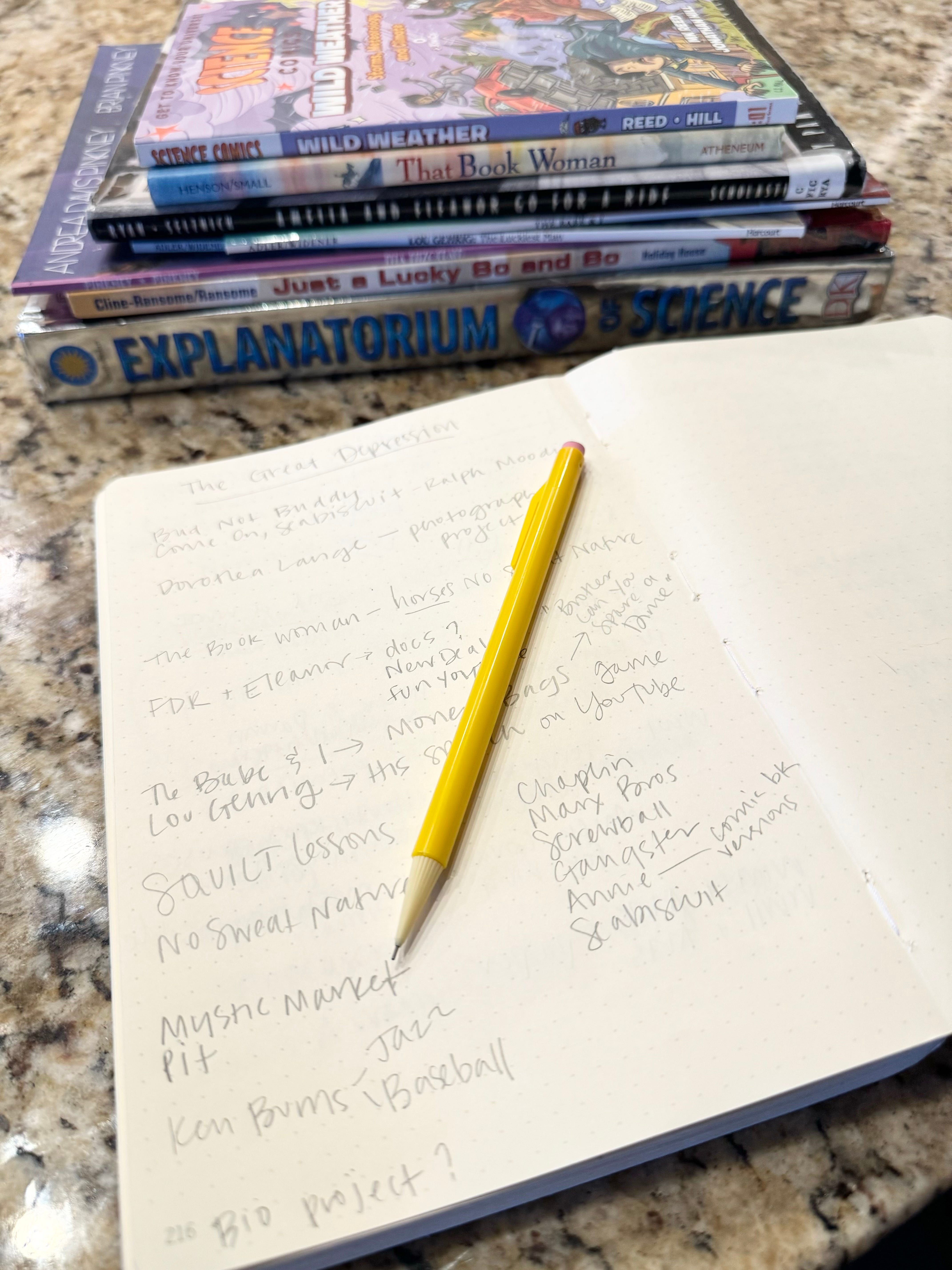
Oh and I didn’t even look into poetry! There’s always more…
And that’s how I’d plan a Great Depression unit. It’s basically books, movies, a few games and some ideas. Tell me, are you interested in how I’d actually organize this unit? Any other questions? Feel free to ask!
This was excellent, thank you for doing a walk through planning a unit. This is not a strength of mine and really gets in the way of doing unit studies for me. I would love to see how to take these ideas and use them to create your school days.
Thank you for sharing! I really enjoyed reading your thought process and how it’s similar but different from my own. I am interested in seeing how you’d organize this unit with all the different subjects woven in. I really like that aspect and might borrow it for future unit studies 😉